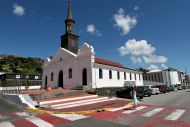
The Martinique's heritage is rich in vestiges and survivals from the past. Ruins of the town of well-sure Saint-Pierre, but also old houses and buildings of Fort-de-France. The old colonial and slave history is discovered as-with it by visiting the old sugar exploitations, while the villages of fishermen, far from urban agitation, plunge you behind fifty years.
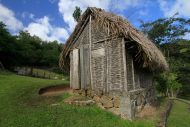
Some caribbean people lived in Martinique before the arrival of the first Europeans. The archaeological excavations undertaken on the island raise a veil on their history.
In Martinique the architecture borrows from the various cultures which worked the island. Of primarily European inspiration, one there finds here and there ideas resulting from the Caribbean and African traditions.
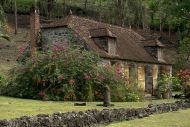
"L'habitation" indicates in the Antilles an exploitation coffee-plantation or sugar. Vestige of the saving in plantation, it testifies one time when slave Martinique contributed largely to finances of the kingdom of France.
First rum exporter in 1900, Martinique with today lost its row, but preserves many distilliries. Some are opened to the public and make it possible to discover the development of the product.